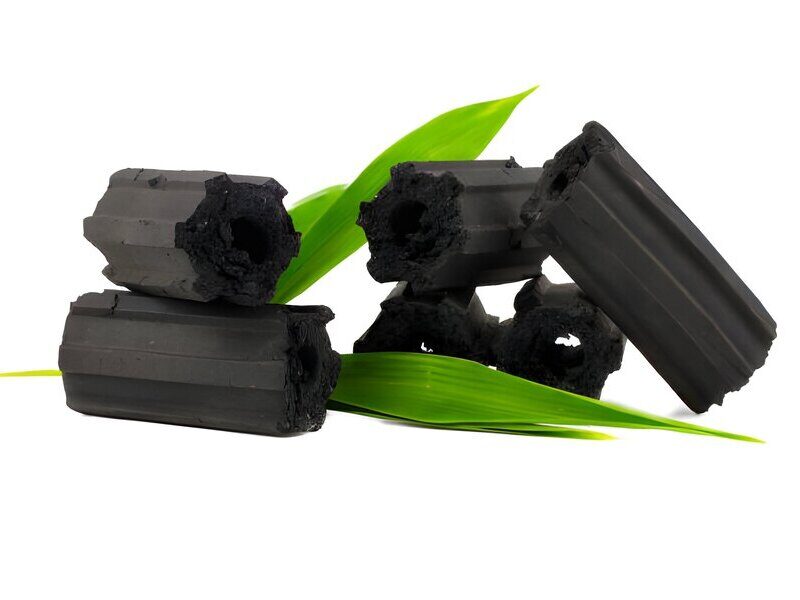
Briquette Heating Value Assessment: A Comprehensive Analysis of Renewable Energy Source. In the face of escalating environmental concerns and the need for sustainable energy sources, biomass briquettes have emerged as a promising alternative. These briquettes, often produced from organic materials such as agricultural residues, wood waste, or even dedicated energy crops, offer a renewable and eco-friendly solution for meeting energy demands. One critical aspect of assessing the viability of biomass briquettes is the evaluation of their heating value. In this article, we delve into the intricate details of briquette heating value assessment, exploring its significance, methodologies, and implications for a greener energy future.
Understanding Heating Value
Heating value, also known as calorific value or energy content, is a crucial parameter in determining the energy potential of a fuel. It quantifies the amount of heat energy released per unit mass or volume of the fuel when it undergoes complete combustion. In the context of biomass briquettes, the heating value provides insights into their efficiency as a fuel source for various applications, including cooking, heating, and industrial processes.
Factors Influencing Briquette Heating Value
1. Feedstock Composition
The composition of the raw materials used in briquette production significantly affects the heating value. Different biomasses have varying levels of moisture, ash, volatile matter, and fixed carbon, all of which contribute to the overall energy content of the briquette.
2. Densification Process
The method employed to convert biomass into briquettes plays a crucial role. The densification process involves applying pressure to raw materials, forming them into compact shapes. Understanding how this process impacts the heating value is essential for optimizing briquette production.
3. Moisture Content
A high moisture content in biomass can lower the heating value by requiring additional energy to evaporate the water during combustion. Proper drying techniques are, therefore, vital to enhance the efficiency of biomass briquettes.
4. Ash Content
The ash content in biomass briquettes influences combustion efficiency and can affect the environmental impact. Higher ash content may lead to increased emissions and ash disposal challenges.
Methods of Briquette Heating Value Assessment
1. Bomb Calorimetry
Bomb calorimetry is a widely used method for determining the heating value of briquettes. In this technique, a sample is burned in a controlled environment, and the heat released is measured. This method provides accurate and reliable results, making it a standard approach for assessing the calorific value of biomass fuels.
2. Proximate Analysis
Proximate analysis involves determining the percentage of moisture, volatile matter, fixed carbon, and ash in a briquette. While it may not directly measure heating value, this analysis offers valuable insights into the briquette’s composition, helping estimate its energy content.
3. Ultimate Analysis
The ultimate analysis provides a detailed breakdown of the elemental composition of a briquette, including carbon, hydrogen, nitrogen, sulfur, and oxygen. By understanding the elemental makeup, researchers can infer the potential energy content and combustion characteristics of the briquette.
Significance of Briquette Heating Value Assessment
1. Energy Efficiency
Accurate assessment of heating value allows for the optimization of briquette production processes, ensuring that the resulting fuel is energy-efficient and suitable for specific applications.
2. Marketability
Knowledge of the heating value is crucial for marketing biomass briquettes. Buyers, whether domestic or industrial, often prioritize fuels with higher calorific values for enhanced efficiency and cost-effectiveness.
3. Environmental Impact
Briquette’s heating value assessment aids in evaluating the environmental impact of using biomass as a fuel source. Higher heating values often correlate with lower emissions and reduced environmental footprint.
4. Policy and Regulation Compliance
Governments and regulatory bodies may establish standards for biomass briquettes to promote cleaner energy. Understanding and adhering to these standards are imperative for industry players and contribute to sustainable development goals.
Implications for a Greener Energy Future
As the world seeks to transition to cleaner and more sustainable energy sources, biomass briquettes present a viable option. Their renewable nature, coupled with efficient combustion characteristics, positions them as a key player in the global energy landscape. Briquette heating value assessment not only aids in the development of high-quality fuels but also contributes to the broader goal of reducing dependence on fossil fuels and mitigating climate change.
Challenges and Future Directions
While biomass briquettes hold great promise, challenges such as feedstock variability, production scalability, and regional variations in biomass availability need to be addressed. Continued research and technological advancements in briquette production and heating value assessment are essential for overcoming these challenges and ensuring the widespread adoption of this renewable energy source.
Conclusion
Coconut Briquette heating value assessment is a critical aspect of harnessing the full potential of biomass briquettes as a renewable energy source. By understanding the factors influencing heating value and employing accurate assessment methods, researchers and industry players can contribute to the development of efficient and environmentally friendly fuel alternatives. As we navigate the complexities of the energy transition, biomass briquettes stand out as a beacon of sustainability, offering a greener path toward a more resilient and eco-conscious future.